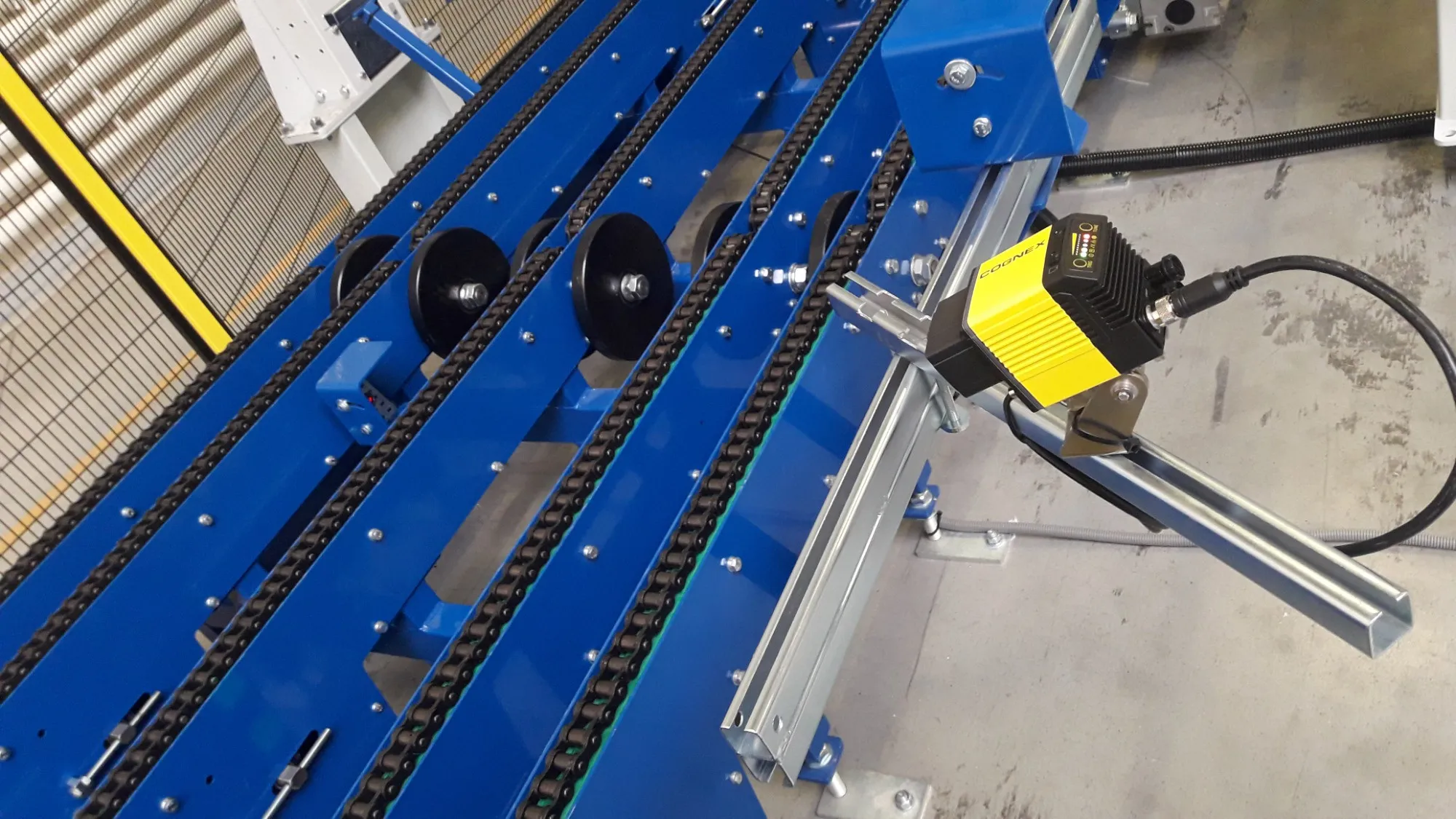
Scanning gates
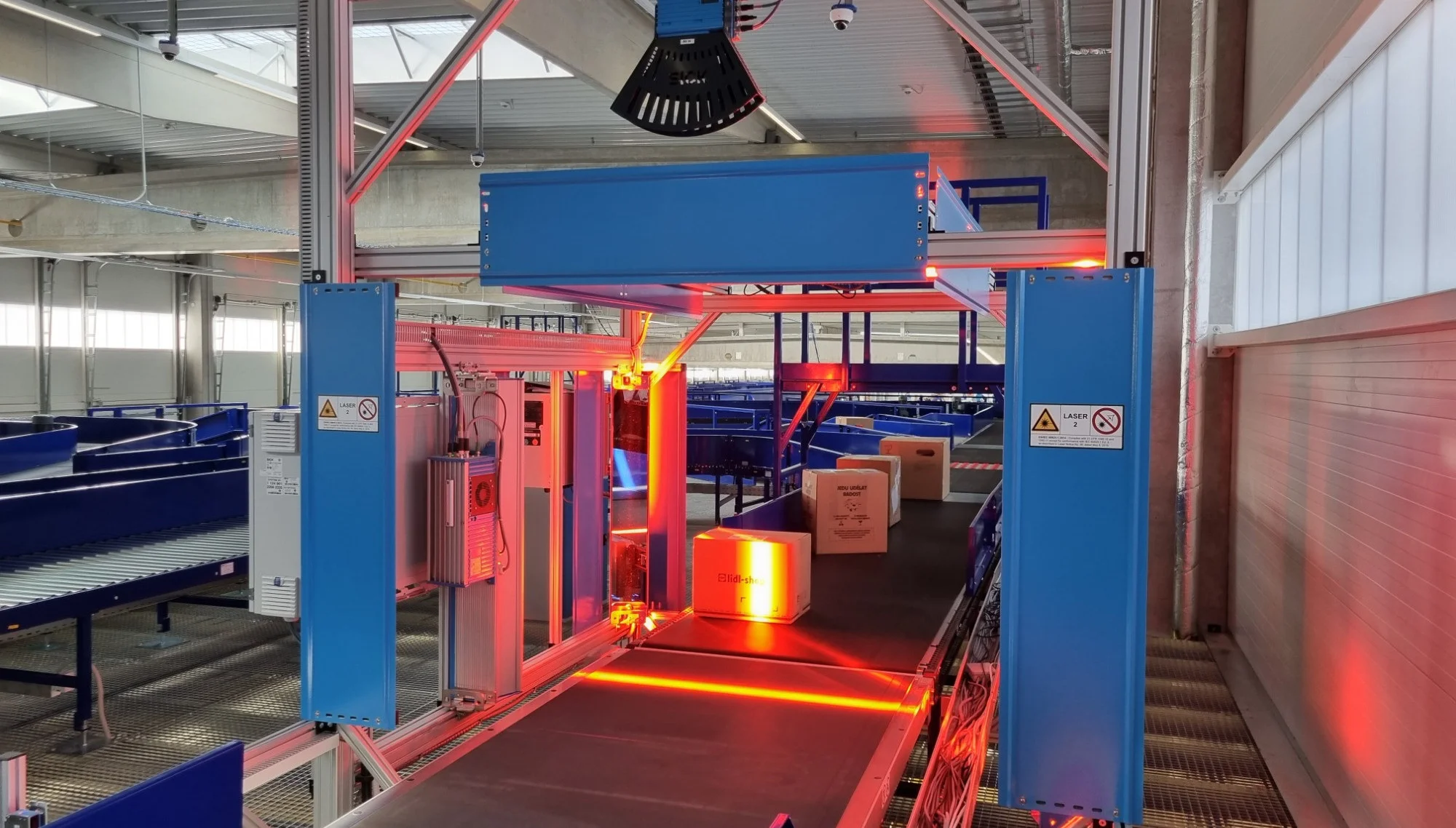
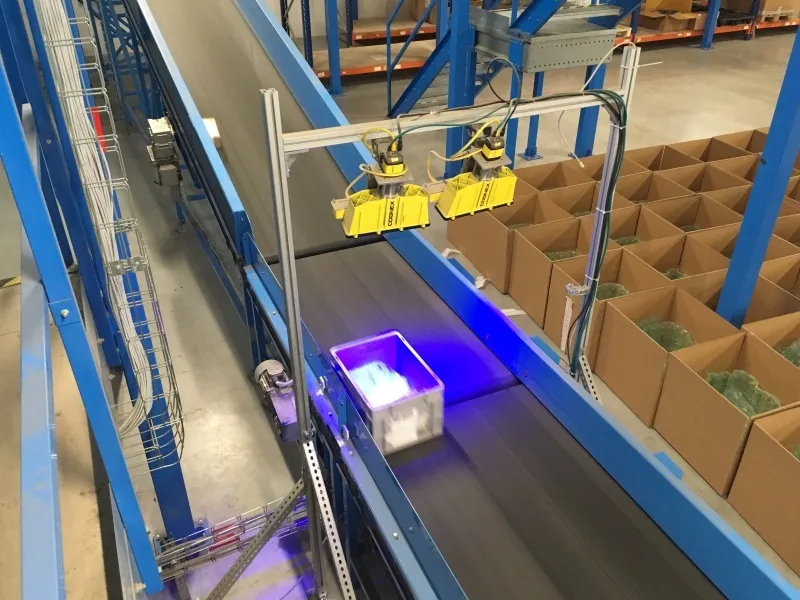
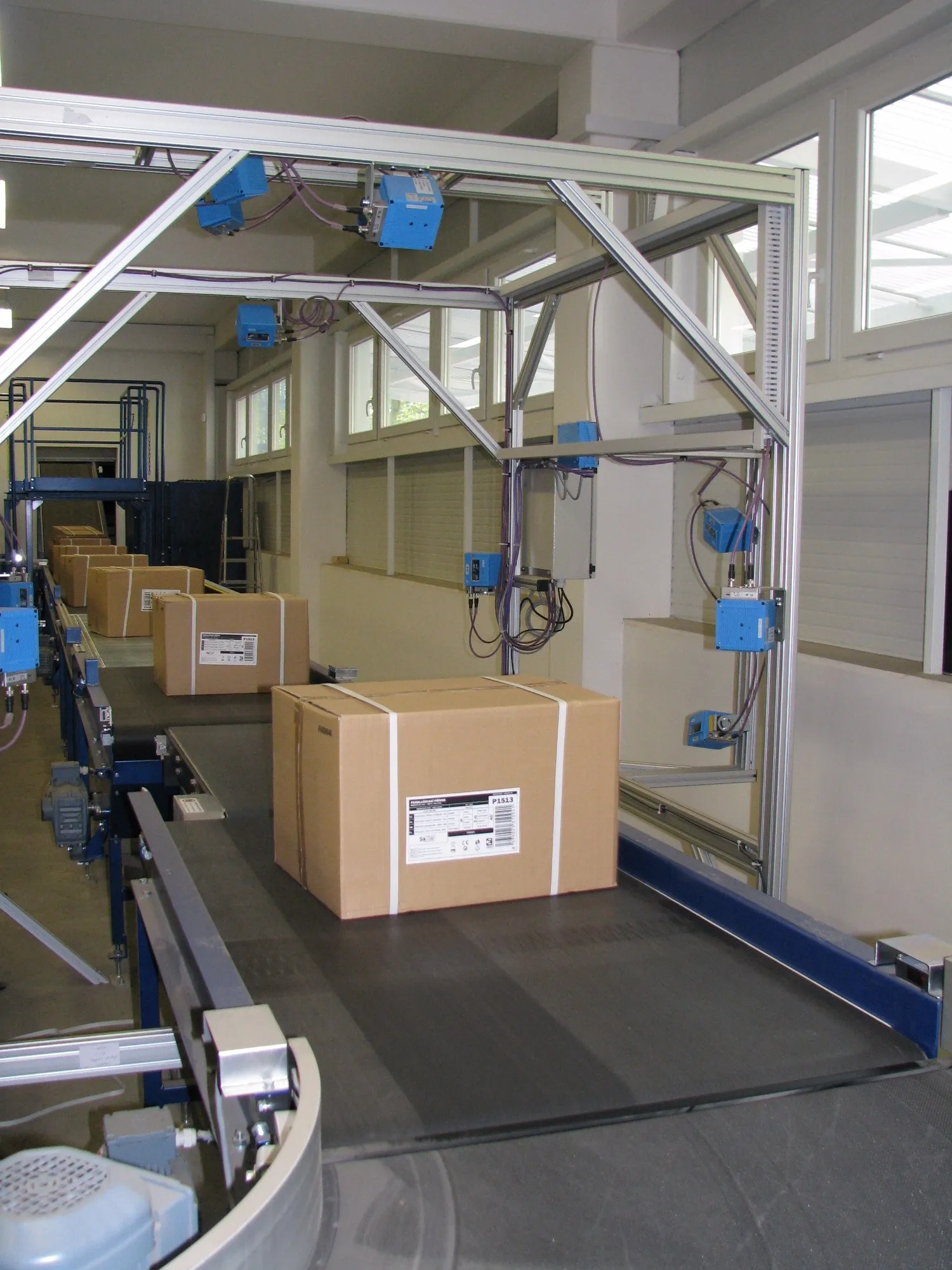
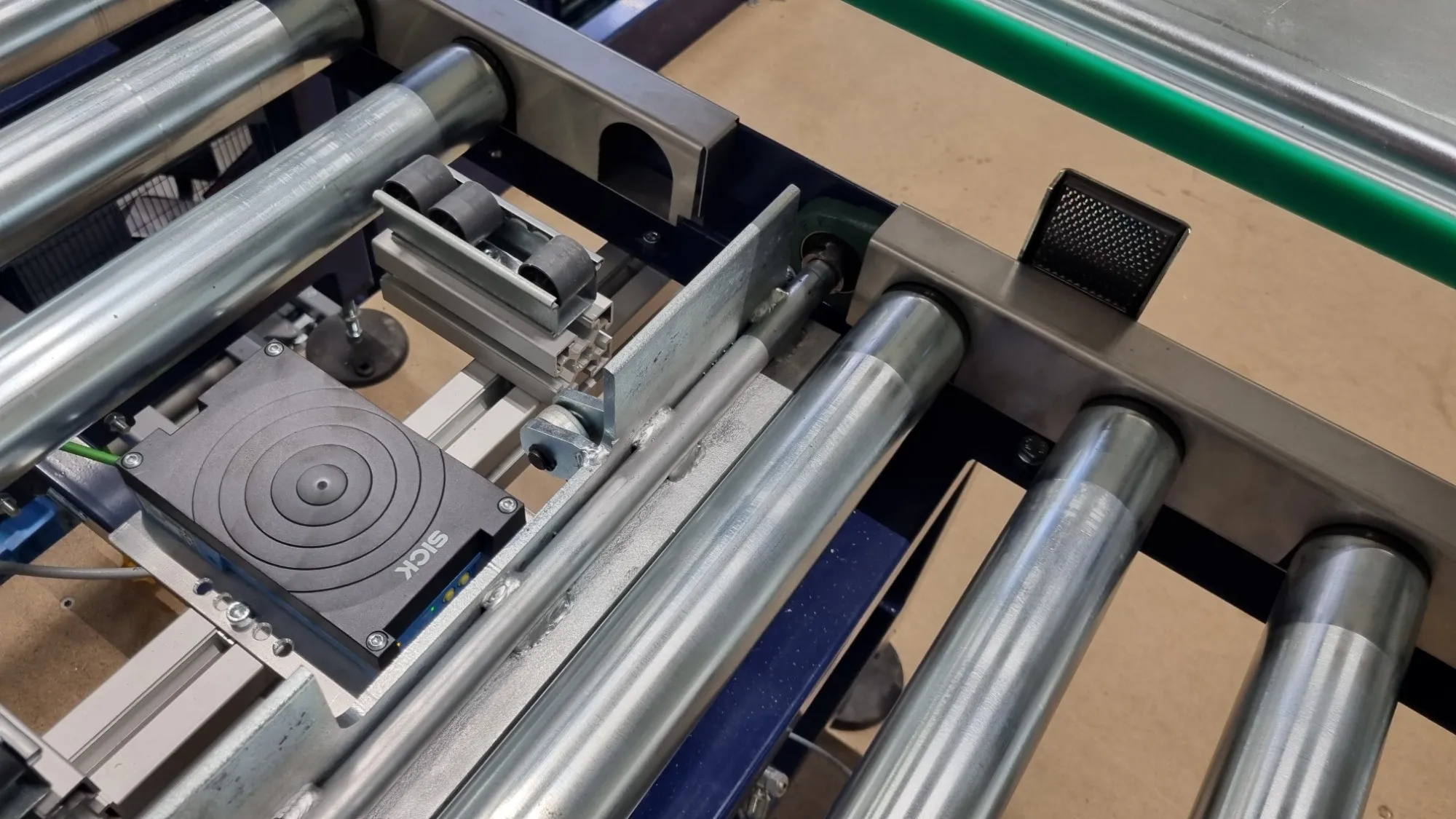
Reading gates serve to position automatic identification sensors of passing material without the need to stop it. These reading gates enable contactless material identification in industrial and logistics systems, enhancing efficiency and speed of processes. The sensors can be based on barcode readers, radio frequency identification (RFID), or camera systems. The choice of technology depends on the specific type of material and requirements for accuracy and speed of identification.
Reading gates are commonly used in warehouses, distribution centers, or production lines where tracking the movement of materials or products in real-time is essential. This automatic identification technology contributes to logistics optimization and material traceability, allowing for increased transparency and control over the entire process.
Our references




Areas of application

FAQs
A scanning gate is a structure in which automatic-identification sensors are installed so that goods can be read while moving without having to stop. Goods pass through the gate on a conveyor and the system reads a barcode, RFID tag or camera data at once. A scanning gate therefore speeds up material flow, improves traceability and gives the operation an overview of what has passed through each point. It is used in distribution centres, parcel depots and manufacturing.
The choice between barcodes, RFID and cameras depends on the type of goods and the requirements for reading accuracy and speed. Barcode reading is widespread and reliable where the code is clearly visible and readable. RFID is suitable when several items need to be read at once or without direct line of sight to the label. Camera systems can combine code reading with dimension measurement and parcel-condition inspection. We design the specific solution according to your operation after assessing what passes through the gate and at what speed.
Yes, a scanning gate is designed as part of the conveyor route and connected to the existing equipment and higher-level system. We adapt the structure and sensor placement to the goods dimensions, line speed and available workplace space. We connect the gate to the conveyors and automatic identification so that the scanned data passes directly into operational control. Details about scanning and data collection can be found in the automatic identification section.
Scanning gates are suitable for operations where large quantities of goods move quickly and every item needs to be recorded without manual scanning. Typical examples include distribution centres, parcel depots, e-commerce warehouse workstations and production lines. They are useful wherever automatic identification needs to speed up sorting, dispatch or receiving while also ensuring traceability of goods throughout the process.
The price and delivery time are influenced most by the selected reading technology, the number and type of sensors, the dimensions of the structure and the complexity of connection to the existing line and system. The required reading speed and accuracy and the method of integrating data into your operation also play a role. Because every gate is designed and manufactured to order, we determine the exact price and delivery date only after the requirements have been specified.
Lorem ipsum dolor sit amet, consectetur.
adipiscing elit.
Nulla quam velit, vulputate.
Eu pharetra nec, mattis ac.
Lorem ipsum dolor sit amet, consectetur.
adipiscing elit.
Nulla quam velit, vulputate.
Eu pharetra nec, mattis ac.
Need advice?
Are you looking for an efficient and reliable conveyor system for your production or warehouse?
We are here for you!
Our team of experienced professionals is ready to provide you with a complete solution from design to installation.