
Parcel depots
References
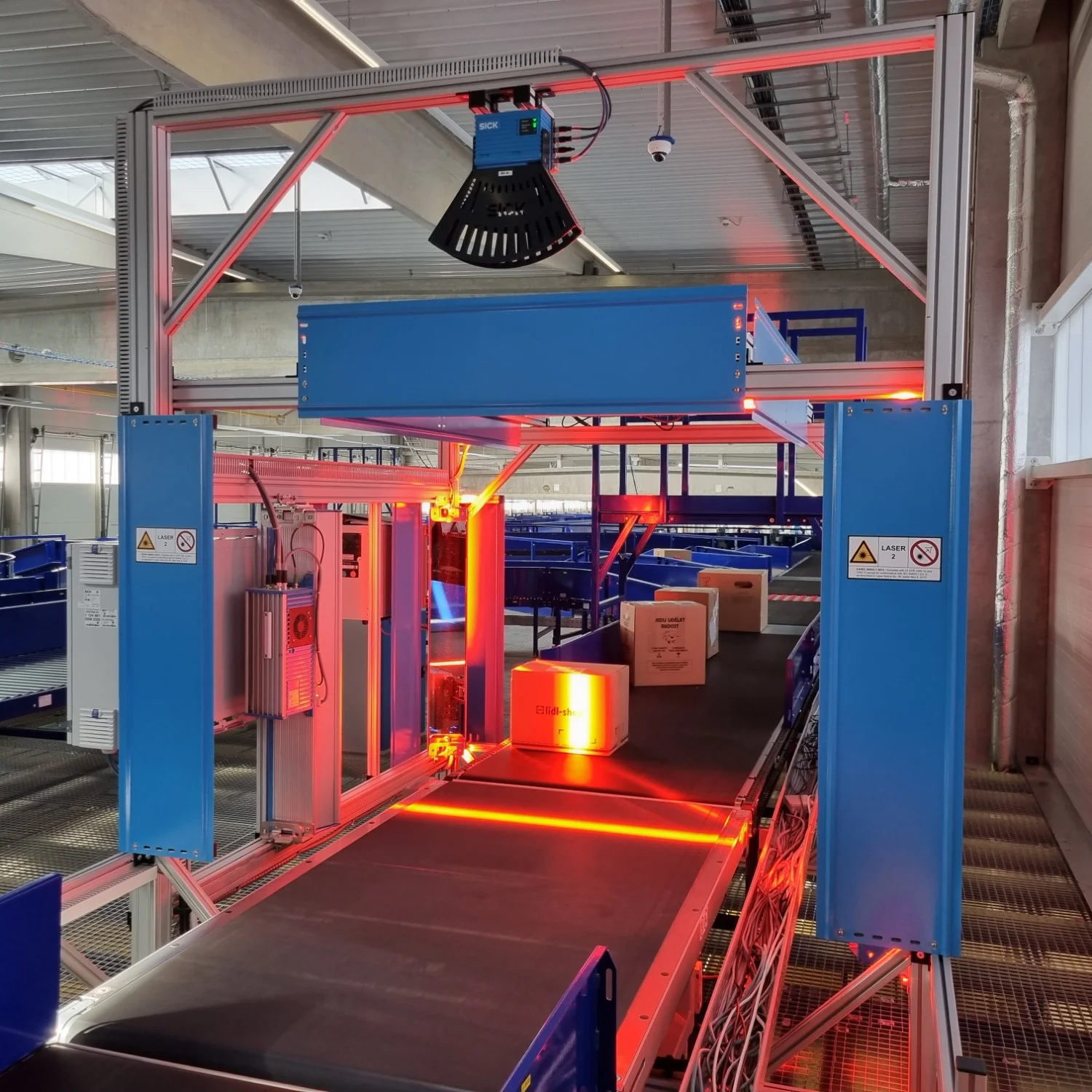
Our conveyor solutions for courier companies are designed to optimize your operations, speed up parcel sorting, and minimize the risk of delays. Sorting automation and logistics processes are crucial for the smooth and efficient running of a depot. Our technologies are developed to meet the dynamic demands of courier services and enable faster and more reliable parcel delivery.
Thanks to our conveyor systems, you gain a competitive advantage that will help you quickly respond to growing market demands and optimize logistics. Our sorting technologies will help you streamline the entire logistics chain and increase overall operational efficiency.
We design custom conveyor systems for courier service depots, always according to the specific requirements of your company. When creating a project, we take into account the sorting capacity, the number of inbound and outbound gates, as well as the building's structural layout. Our conveyor systems ensure efficient loading, unloading, transport, sorting, measuring, weighing, and scanning of parcels.
A key factor in the design is achieving the required sorting capacity, which meets your operational needs. The conveyors are designed to operate smoothly in various operational modes – from morning, through afternoon, to night sorting. The goal is to optimize logistics and increase the efficiency of the entire operation.
Selected References









Photo Gallery
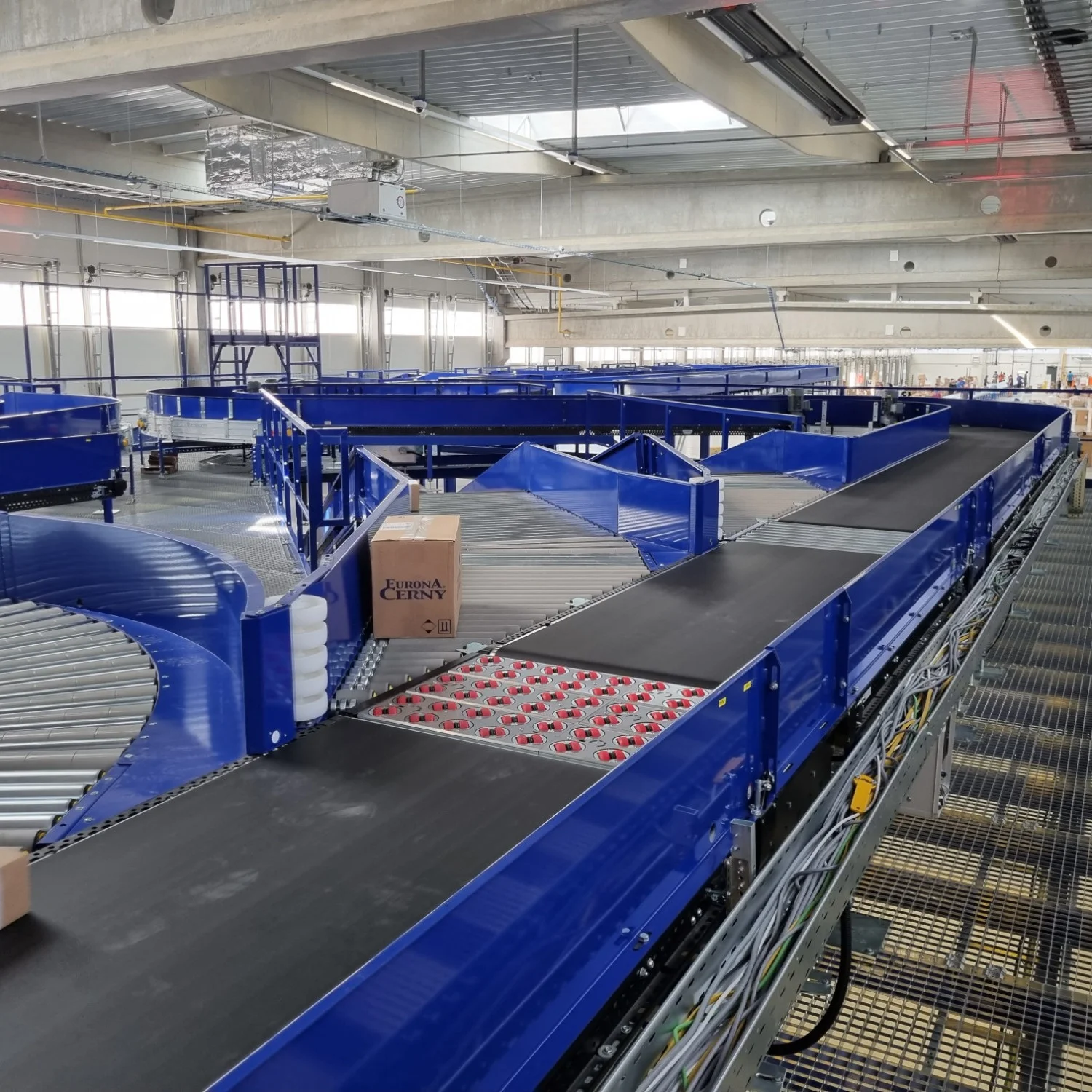
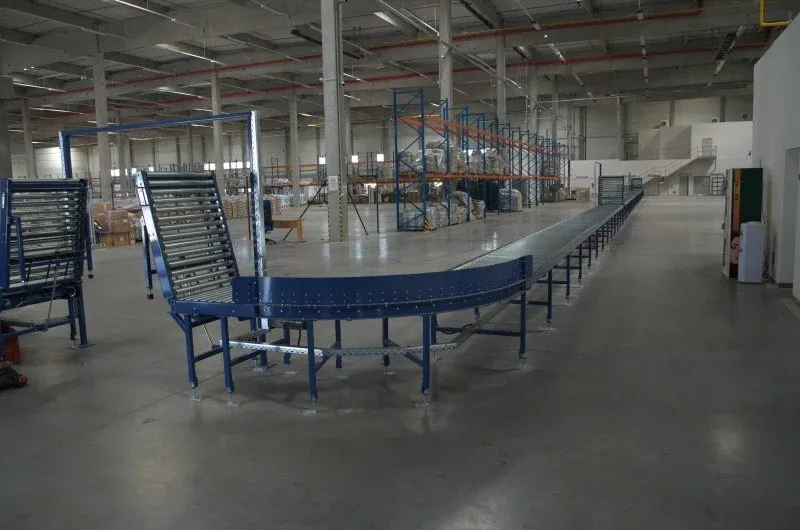
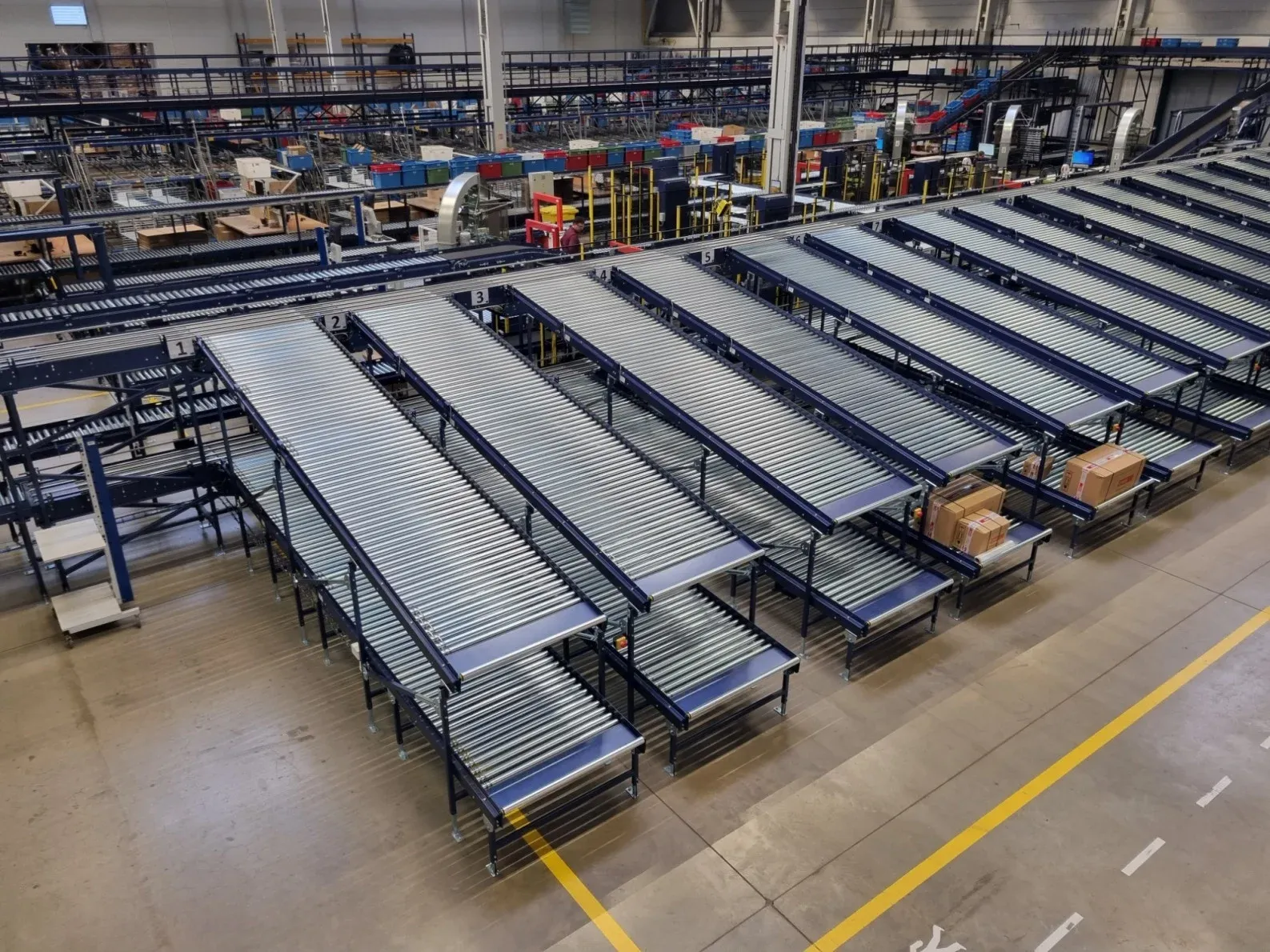
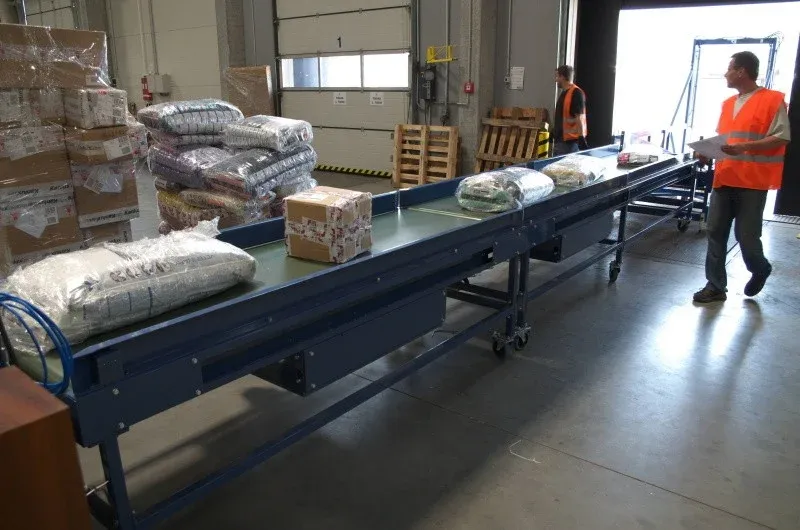
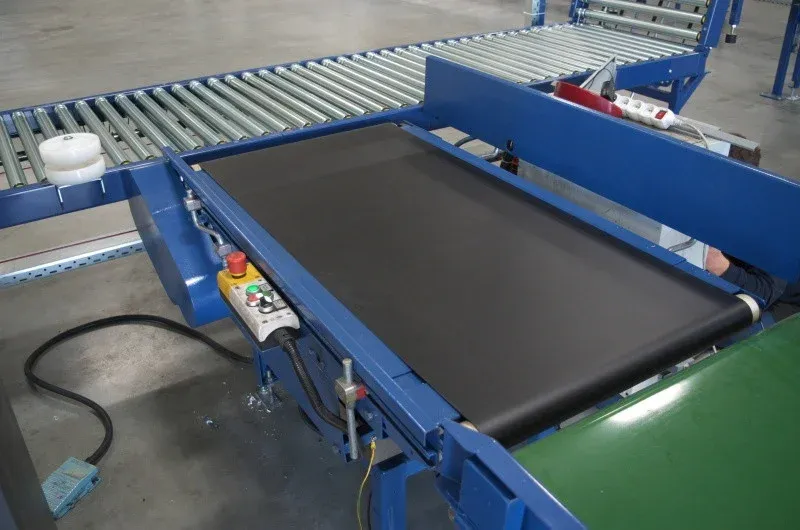
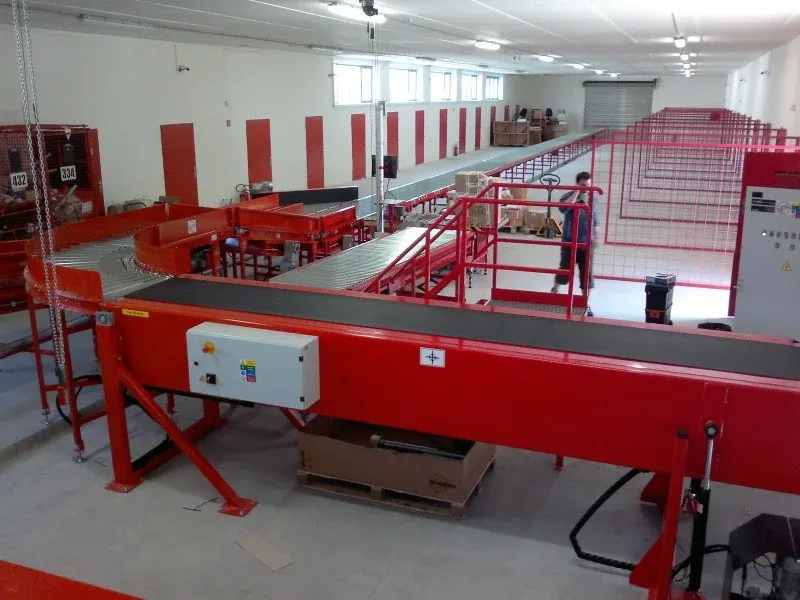
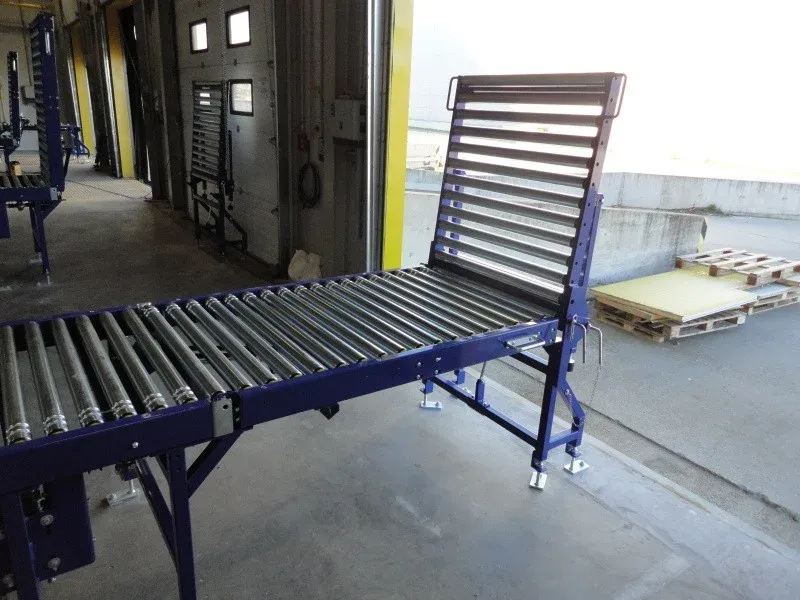
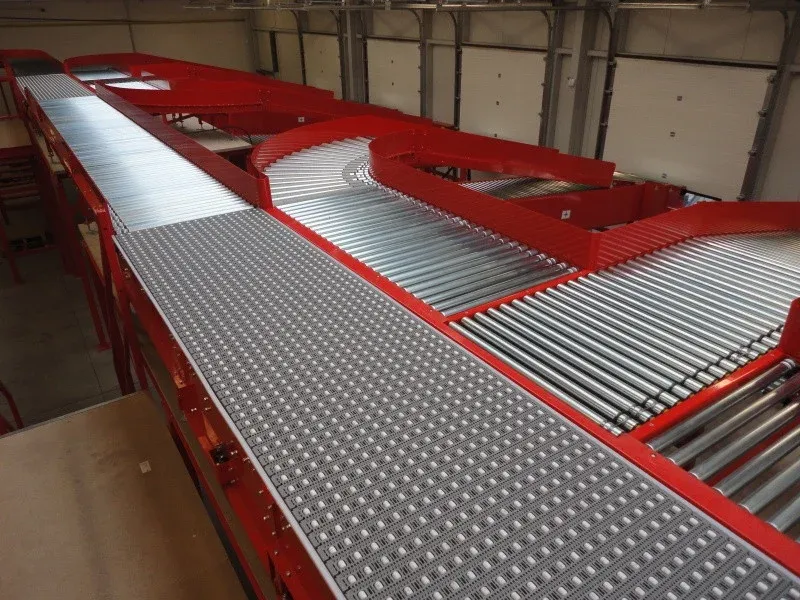
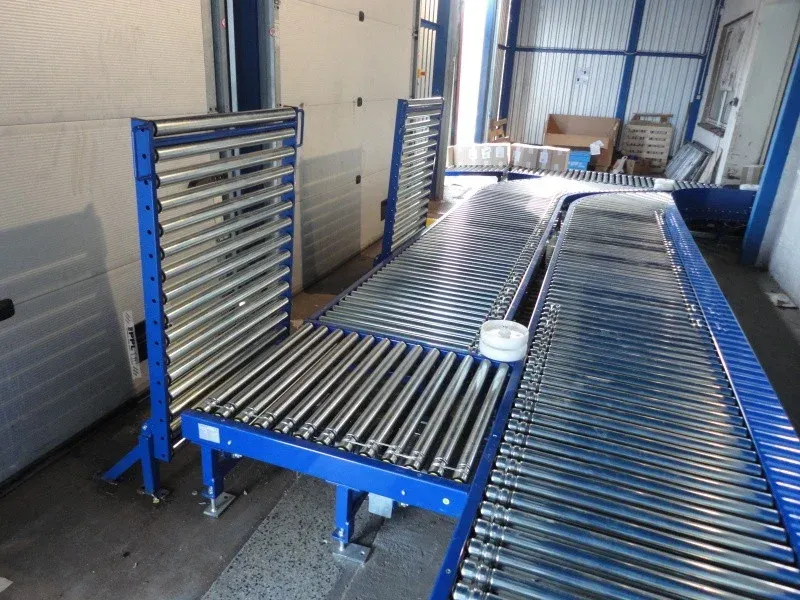
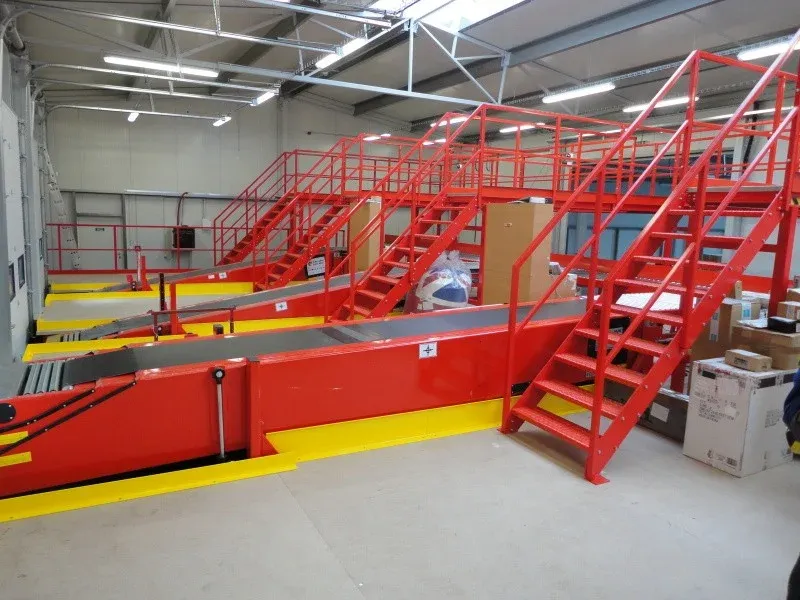
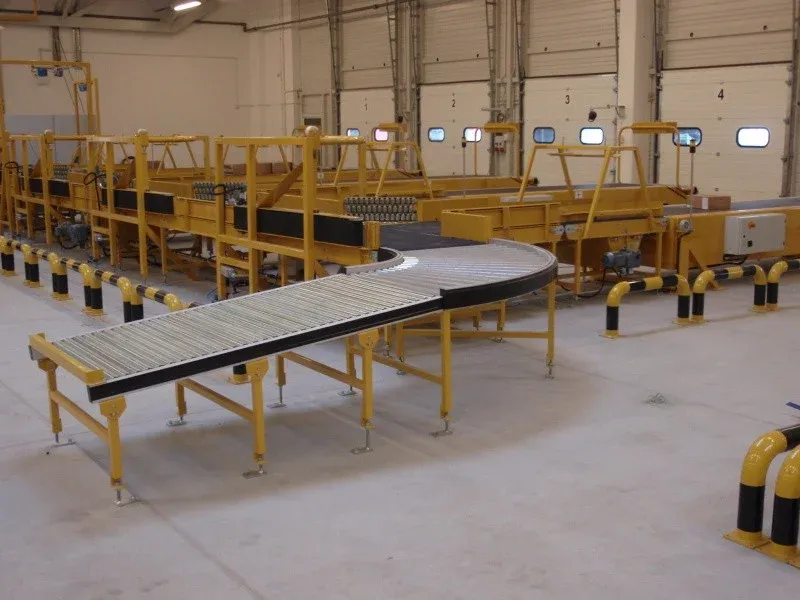
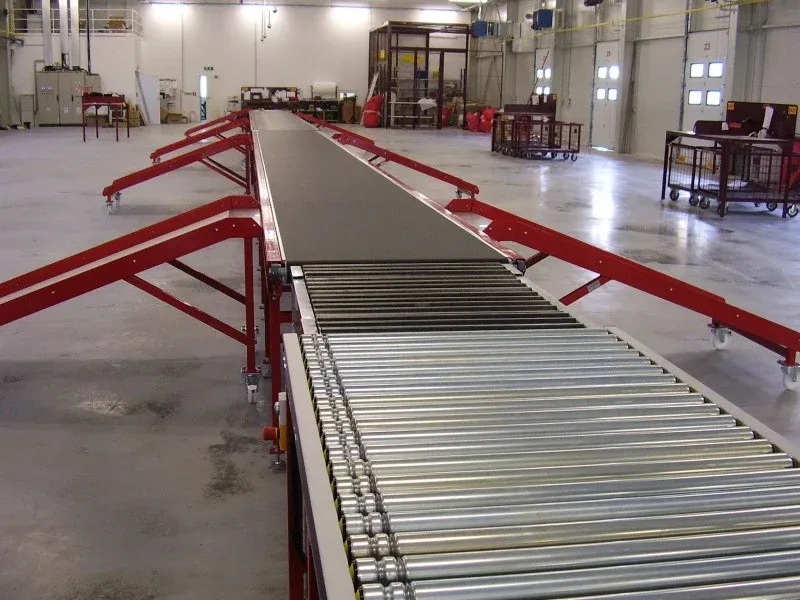
PPL CZ - Automated Parcel Depot
FAQ
Parcel depot automation is an interconnected system of conveyors, sorters and identification technology that takes over parcel receiving, transport, sorting and dispatch instead of relying on manual handling. It enables the depot to process more parcels in the same amount of time, reduce sorting errors and minimize delivery delays. LOGSYS designs, manufactures and installs such solutions to order according to the building layout and required capacity. The goal is a smooth parcel flow from receiving through to loading into collection vehicles.
It is suitable for courier companies, carriers and distribution centres that process large volumes of parcels every day and are reaching the limits of manual handling. These are typically operations with several receiving and dispatch gates and a variable daily regime, such as morning, afternoon and night sorting. Parcel depot automation helps where parcel volumes are growing faster than staffing capacity and where every delay threatens the delivery window. We always assess suitability according to the specific operation and target capacity.
Capacity and speed always depend on the specific design and the required throughput of the depot. LOGSYS designs the line to cover peak volumes within the relevant time window, whether morning, afternoon or night sorting. The design takes into account the number of receiving and dispatch gates, the building layout, parcel weight and dimensions and the required sorting error rate. Rather than relying on general parameters, we use real operating data to select the type and number of conveyors and sorters.
Parcels are automatically scanned and measured on the line, so the system knows their destination, weight and dimensions while they are still being transported. The scanned code determines where the parcel will go, while weighing is used for billing and checking. LOGSYS integrates scanning gates and weighing sections into the line so that the data flows smoothly into sorting and dispatch. More information about parcel reading and scanning options can be found on the page dedicated to parcel identification.
Yes, the solution is designed to fit into the existing building, layout and operating regime and is connected to the existing line and higher-level system. LOGSYS is a Czech manufacturer and integrator, so design, manufacturing, installation and service are all provided in-house. This makes it possible to expand and adapt the line as parcel volumes grow. After commissioning, we provide service and support to keep the depot running reliably even at peak times. The scope and conditions of service are agreed according to the specific operation.